Neuromodulation is the use of electrical impulses to modify pain signaling in the nervous system. IPC offers advanced neurostimulation therapies for patients with chronic pain that has not responded adequately to more conservative treatments. These technologies represent the cutting edge of pain management and can provide transformative relief.
From spinal cord stimulation and dorsal root ganglion stimulation to peripheral nerve stimulation and intrathecal drug delivery systems, our specialists are experienced in the full range of neuromodulation options available today.
Each patient undergoes a thorough evaluation to determine candidacy, followed by a trial period to confirm effectiveness before permanent implantation.
APPOINTMENTS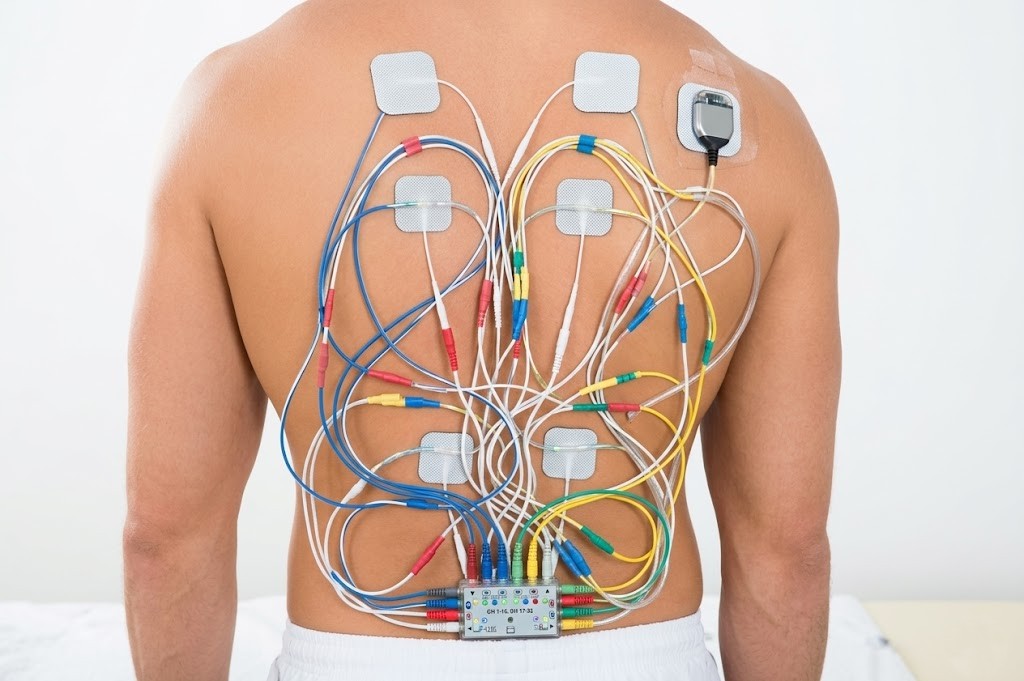
A spinal cord stimulator (SCS) trial is a temporary test procedure that lets you experience spinal cord stimulation before committing to a permanent implant. During a 5-7 day trial, thin leads are placed in the epidural space and connected to an external battery.
Conditions treated include failed back surgery syndrome, chronic radiculopathy, complex regional pain syndrome (CRPS), peripheral neuropathy, and chronic intractable pain of the trunk or limbs.
The trial is considered successful if you achieve 50%+ pain relief. Trial success rates are 70-80% in properly selected patients.
Learn MoreFollowing a successful trial, permanent spinal cord stimulator leads and a rechargeable or non-rechargeable battery (implantable pulse generator) are surgically placed.
In the operating room, leads are placed in the epidural space under fluoroscopic guidance, anchored, and tunneled under the skin to the battery implanted in the upper buttock or flank.
Non-rechargeable batteries last 3-5 years; rechargeable batteries last 9-15 years before replacement. Activity restrictions apply for 6-8 weeks after implantation.
Learn MoreHF10 therapy delivers stimulation at 10,000 Hz — significantly higher than traditional SCS (40-60 Hz). This advanced waveform provides pain relief without the tingling sensation (paresthesia) associated with traditional stimulation.
HF10 is the only SCS therapy FDA-approved for both back and leg pain. Clinical studies show sustained pain relief at 5+ years with superior outcomes for chronic back pain compared to traditional SCS.
The implant process is identical to traditional SCS. The key difference: no tingling or buzzing sensation. Pain relief develops gradually over the first 1-2 weeks of use.
Learn MoreDRG stimulation targets the dorsal root ganglion — a cluster of nerve cell bodies located just outside the spinal cord that processes sensory information from a specific body region. By stimulating the DRG directly, this therapy provides precise, targeted pain relief in hard-to-treat areas like the foot, knee, groin, or trunk.
Conditions treated include CRPS Types I and II, post-surgical neuropathic pain, phantom limb pain, and focal peripheral neuropathy.
The ACCURATE study showed 74.2% of DRG patients achieving treatment success at 12 months for CRPS, outperforming traditional SCS.
Learn MorePeripheral nerve stimulation places small leads directly adjacent to a peripheral nerve outside the spinal canal to treat localized pain. Modern PNS systems have become significantly smaller and can be implanted through a simple needle-based procedure.
Conditions treated include post-surgical nerve pain, peripheral neuropathy, post-amputation pain, chronic headache (occipital nerve stimulation), and chronic shoulder pain.
Temporary systems provide a 60-day treatment period that can provide lasting neuromodulatory effects. Permanent systems offer ongoing pain relief with battery life of 5-15 years.
Learn MoreAn intrathecal drug delivery system (pain pump) delivers pain medication directly into the intrathecal space surrounding the spinal cord. Because the medication goes directly to the pain receptors, dramatically smaller doses are needed — typically 1/300th of the oral dose.
Conditions treated include chronic intractable pain, cancer pain, failed back surgery syndrome, and severe spasticity from multiple sclerosis, spinal cord injury, or cerebral palsy.
The pump reservoir is refilled every 1-6 months through a simple office procedure. The pump battery lasts 5-7 years.
Learn MoreReducing Pain. Improving Function. Enhancing Quality of Life.
We specialize in advanced pain management solutions, offering minimally invasive treatments to help patients live pain-free and improve their quality of life.