
IPC offers several minimally invasive procedures for structural spine conditions. These treatments address the physical cause of pain — compressed nerves, collapsed vertebrae, or narrowed spinal canals — through small incisions and image-guided techniques that minimize tissue damage and recovery time.
Unlike traditional open spine surgery, these procedures preserve healthy tissue, reduce blood loss, and allow patients to return home the same day in most cases. Recovery times are measured in days and weeks rather than months.
Our specialists will evaluate your specific condition to determine which minimally invasive approach is most appropriate for your spine pathology and treatment goals.
APPOINTMENTS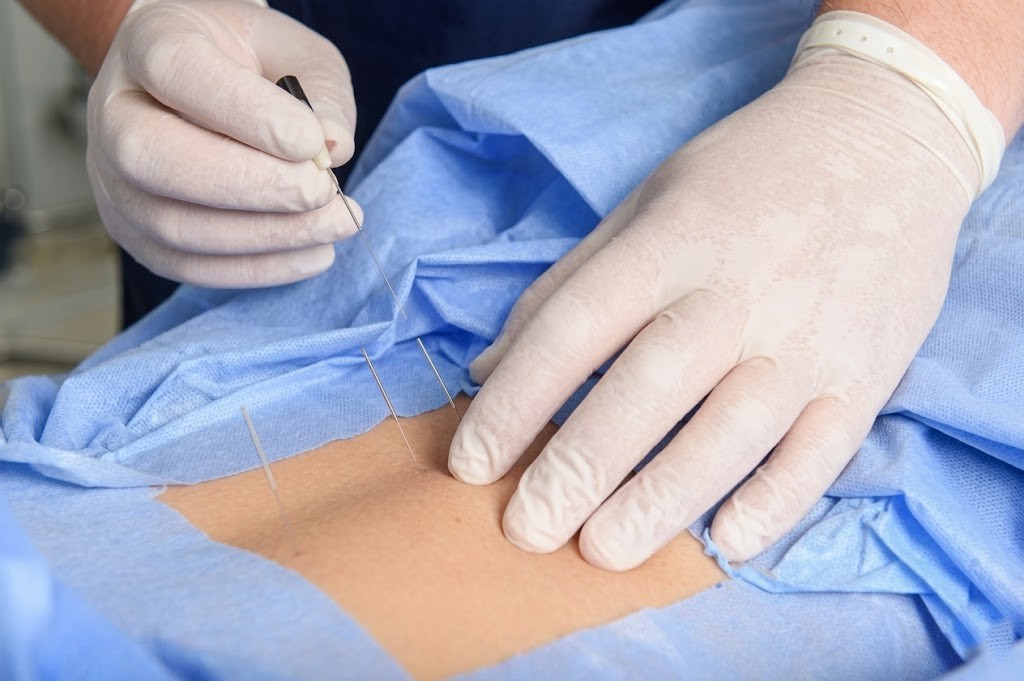
Kyphoplasty is a minimally invasive procedure that treats painful vertebral compression fractures by restoring vertebral body height and stabilizing the fracture with bone cement. A small balloon is first inflated inside the collapsed vertebra to create a cavity and restore height, then filled with PMMA bone cement.
Conditions treated include vertebral compression fractures from osteoporosis, vertebral fractures from cancer (myeloma, metastatic disease), and traumatic compression fractures.
The cement hardens within minutes, stabilizing the fracture immediately. Many patients report significant pain relief within hours of the procedure. The stabilization is permanent.
Learn MoreThe MILD procedure treats lumbar spinal stenosis caused by thickened ligamentum flavum. Through a single small incision, specialized tools remove small amounts of thickened ligament and bone to restore space in the spinal canal, relieving nerve compression.
Conditions treated include lumbar spinal stenosis with ligamentum flavum hypertrophy and neurogenic claudication.
No general anesthesia, no implants, and no stitches required. Clinical studies show sustained improvement at 5+ years.
Learn MoreAn interspinous spacer is a small titanium device placed between the spinous processes to maintain the spinal canal in an open position. This mimics the relief that stenosis patients feel when they lean forward.
Conditions treated include moderate lumbar spinal stenosis and neurogenic claudication, particularly in patients who get relief from leaning forward or sitting.
The spacer is a permanent implant that preserves normal spinal motion. Studies show sustained improvement at 5 years.
Learn MorePercutaneous disc decompression reduces pressure within a contained herniated disc by removing a small amount of disc material through a needle-based approach, allowing the herniation to retract and reduce nerve compression.
Conditions treated include contained lumbar and cervical disc herniation, and disc bulging with radiculopathy unresponsive to epidural injections.
No incision is required. The procedure reduces intradiscal pressure by 50-60%, allowing the disc bulge to retract away from the compressed nerve.
Learn MoreELID is an advanced, ultra-minimally invasive spine procedure that uses a high-definition endoscope inserted through a tiny incision to directly visualize and decompress pinched nerves in the lumbar spine.
Conditions treated include lumbar spinal stenosis, herniated disc with radiculopathy, foraminal stenosis, and recurrent disc herniation.
The incision is typically less than 1 centimeter. Most patients go home within 1-2 hours. Return to desk work within 1-2 weeks.
Learn MoreReducing Pain. Improving Function. Enhancing Quality of Life.
We specialize in advanced pain management solutions, offering minimally invasive treatments to help patients live pain-free and improve their quality of life.